How to Organize a Corporate Boat Event
Most corporate events are forgotten by the next Monday. A boat event is different. When your team or clients step aboard, the skyline opens up, the mood shifts, and the whole experience feels more intentional than another dinner reservation or conference room gathering.
If you’re figuring out how to organize a corporate boat event, the goal is not just to get people on the water. The goal is to create something polished, easy to attend, and memorable enough that people actually talk about it afterward. That takes more than booking a vessel. It takes matching the event to the people, the timing, and the kind of experience you want your company associated with.
Start with the reason for the event
Before you think about boats, menus, or playlists, get clear on what the event needs to do. A client appreciation cruise usually calls for a more refined atmosphere than a team celebration. A leadership offsite may need room for conversation and light structure, while a summer employee outing can lean more social and relaxed.
This part matters because the wrong energy can make a good-looking event feel off. If your guests need to network, a packed party-style setup may work against you. If the point is morale and celebration, an overly formal plan can flatten the mood. The best corporate boat events feel natural because every decision supports the purpose.
You should also decide early how success will be measured. It could be attendance, stronger client relationships, better team engagement, or simply giving people a premium experience that reflects well on your brand. That answer will shape everything else.
Choose the right format for your group
How to organize a corporate boat event starts with format, not features. Think about whether your group wants a cocktail-style cruise, a seated meal, a casual afternoon on the water, or an evening built around views and conversation.
A shorter cruise often works well for client entertainment because it feels special without demanding half a day. A longer outing may make more sense for internal team events where people want time to relax. If you’re inviting a mixed group of executives, clients, and staff, the safest format is usually upscale but easygoing. People should feel comfortable participating without wondering whether the event is too formal or too loose.
Guest count also changes the experience. Smaller groups can feel more exclusive and conversational. Larger groups bring more energy, but they require tighter planning around boarding, food service, and flow. There is no perfect size in the abstract. It depends on what kind of interaction you want once everyone is on board.
Pick a boat that fits the experience
This is where many planners either overspend or undershoot. The biggest boat is not always the best choice, and the cheapest option can create avoidable friction if it lacks the right layout or amenities.
Think about how guests will actually use the space. Will they be standing and mingling? Sitting for a meal? Taking photos? Listening to a short presentation? The right vessel should support those moments without making the event feel cramped or awkward.
Comfort matters more than novelty. Restroom access, shaded areas, clean seating, boarding ease, and a professional crew all affect how polished the event feels. For a luxury-facing corporate crowd, details like vessel presentation and hospitality can say as much about your company as the invitation itself.
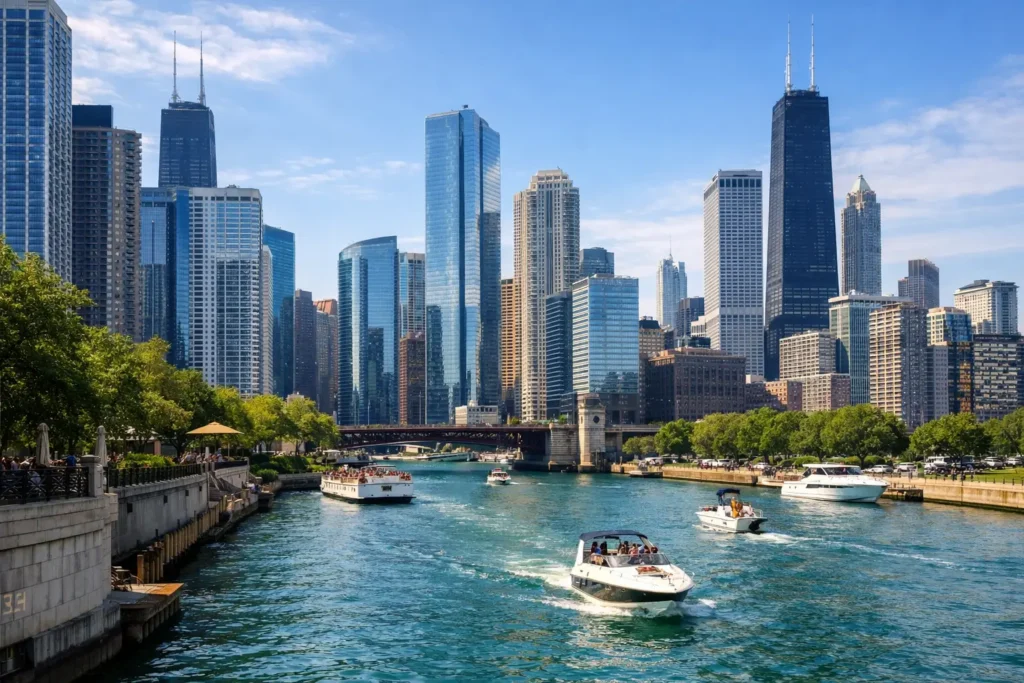
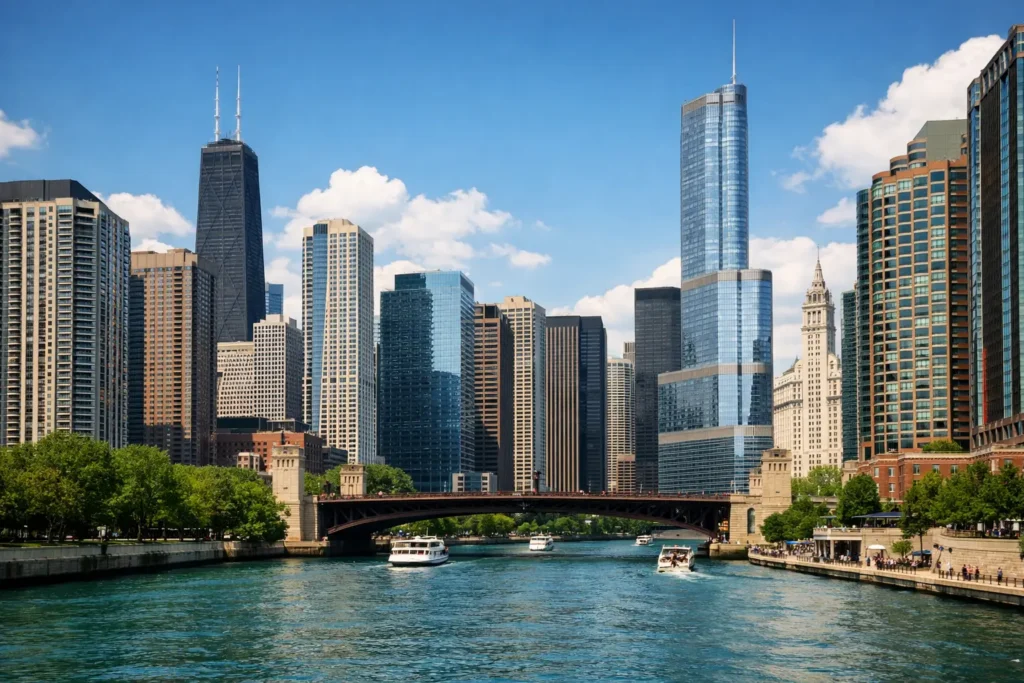
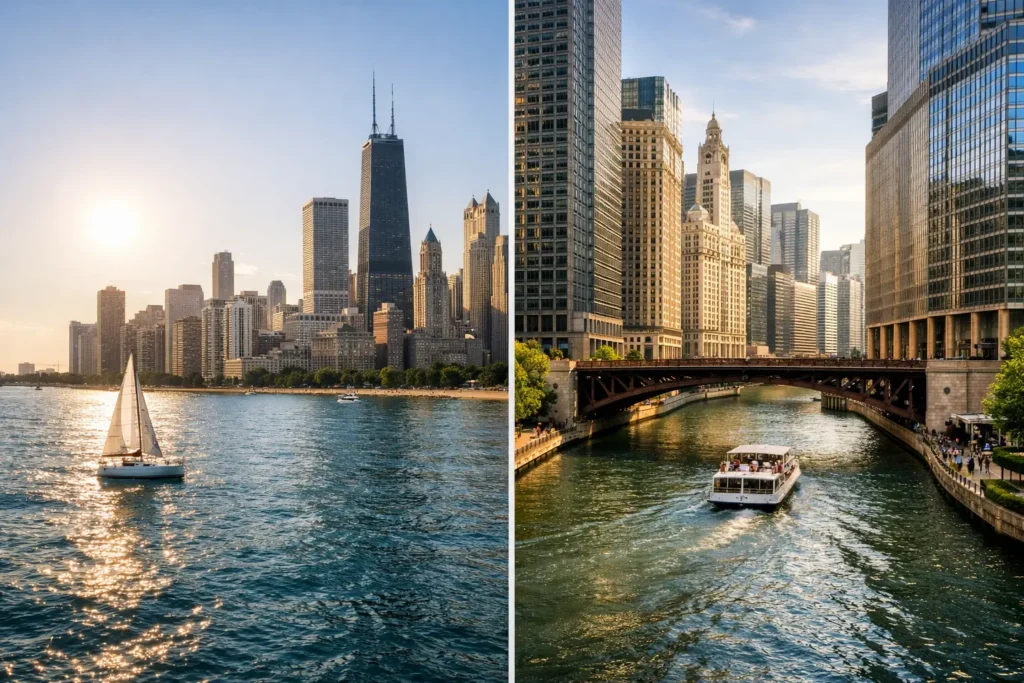
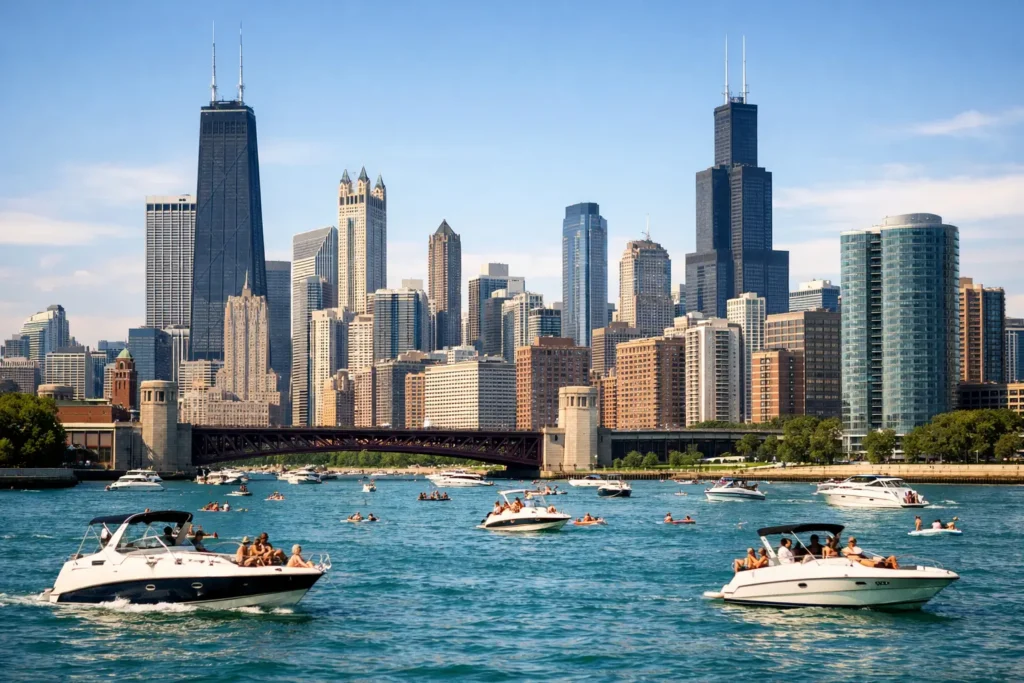
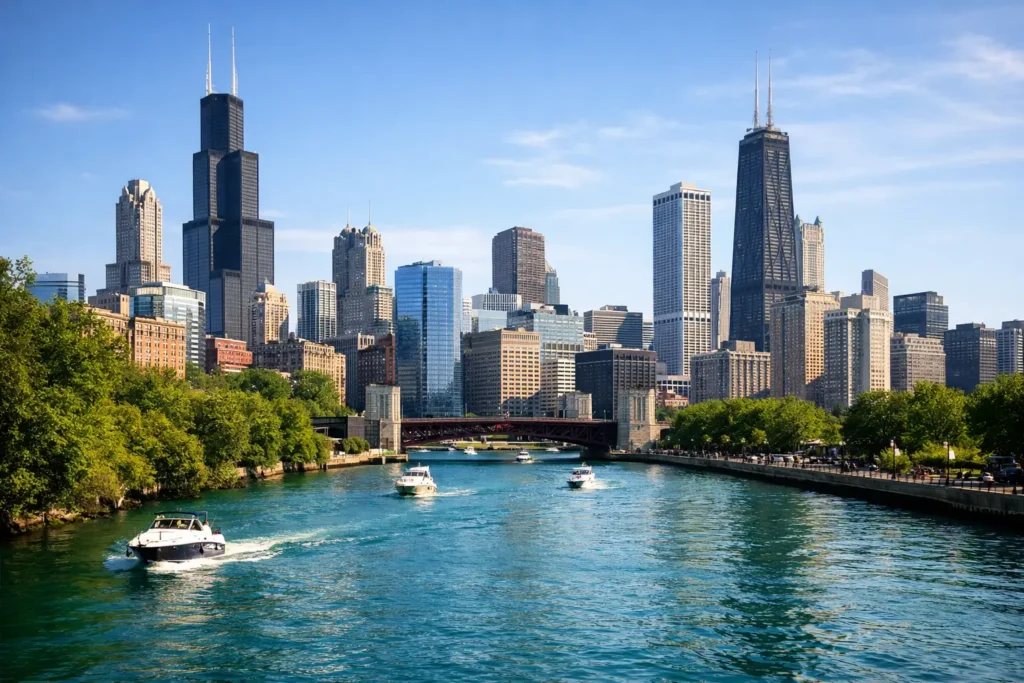
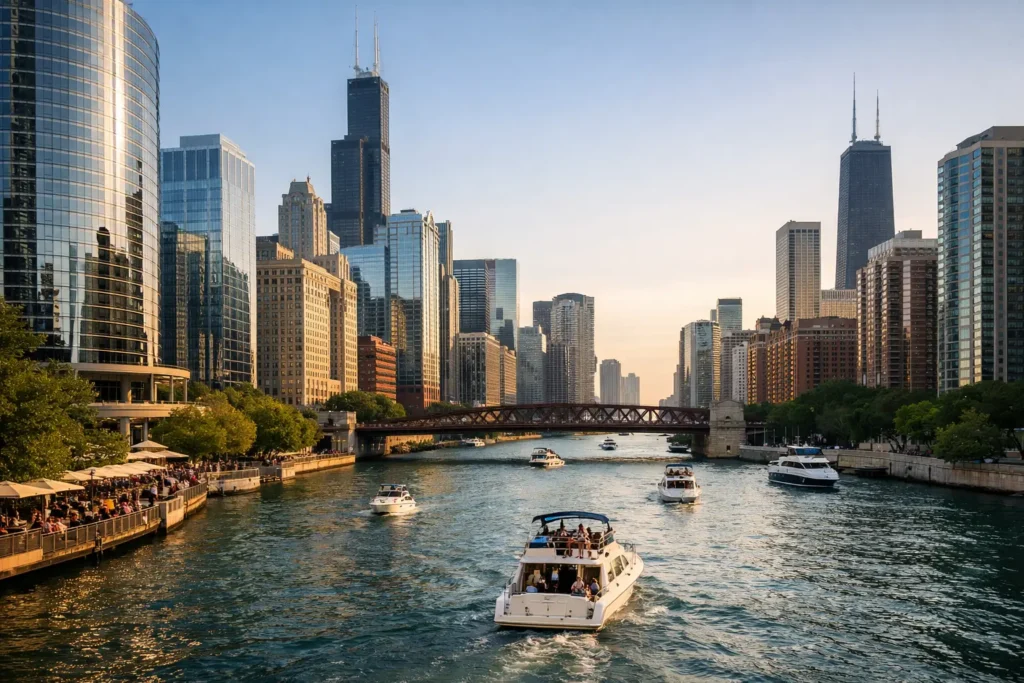
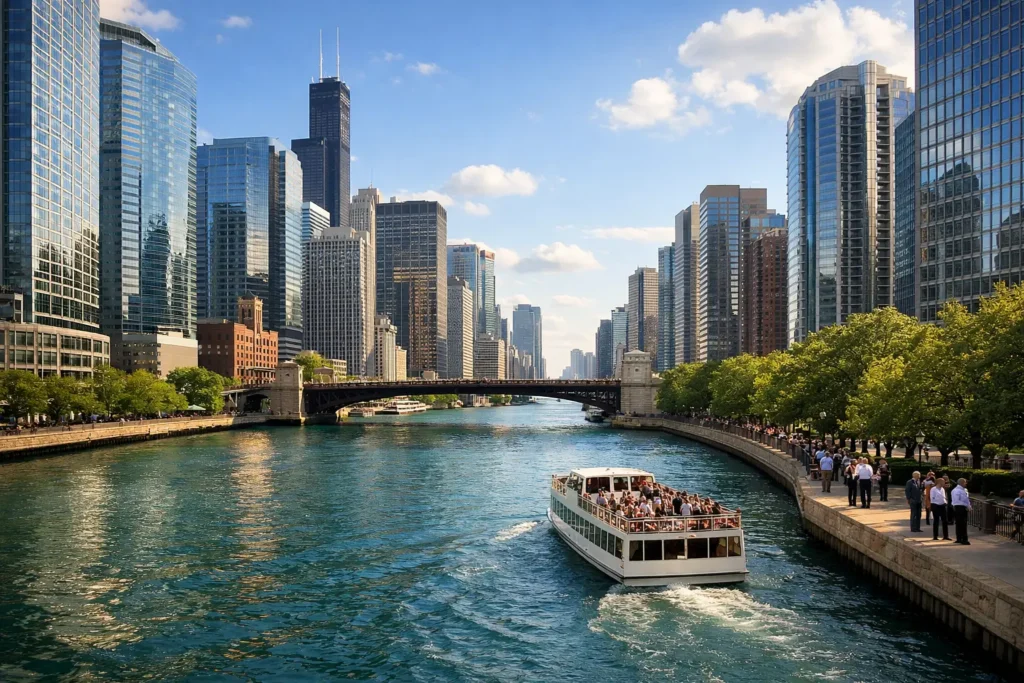
If your event is in Chicago, route matters too. Some groups love the energy of the river with architecture and city buzz. Others want the open-water feel of Lake Michigan and skyline views. Neither is automatically better. River cruises feel more intimate and urban. Lake outings feel bigger, breezier, and more escape-driven.
Lock in timing early
The best dates go quickly, especially in peak season. Once you know your audience and event style, secure the date as soon as possible.
Time of day shapes the mood more than people expect. Afternoon events tend to be more casual and social. Early evening cruises often hit the sweet spot for corporate entertaining because guests can come straight from work and enjoy a transition into a more relaxed atmosphere. Sunset timing adds obvious visual appeal, but it can also increase demand and pricing.
Build the schedule around your guests’ real availability. Corporate attendees are more likely to commit when the event feels easy to fit into their day. That means clear start and end times, a convenient meeting point, and enough buffer for boarding so nobody begins the event feeling rushed.
Weather is the wildcard. You cannot control it, but you can plan for it. Ask about rain policies, rescheduling options, and onboard covered areas before you book. A strong plan B is part of good event planning, not a sign that you’re being pessimistic.
Make food and drinks match the crowd
Catering can elevate the event fast, but only if it fits the format. For networking-style cruises, passed appetizers or easy grab-and-go bites usually work better than a full plated meal. For more structured events, a more substantial food setup may make sense.
The main thing is to avoid anything messy, slow, or difficult to serve on the water. People want to talk, move around, and enjoy the setting. Food should support that, not dominate it.
The same goes for drinks. A curated bar package often feels more controlled and polished than an open-ended free-for-all. If clients are attending, moderation and presentation matter. If it’s an employee celebration, you may still want the tone to stay upbeat and classy rather than chaotic.
Always account for dietary restrictions in advance. That small step signals professionalism and hospitality, and it prevents awkward moments once guests arrive.
Plan the guest experience, not just the logistics
A well-run event feels easy to guests because someone thought through the moments that usually create friction. Invitations should be clear about timing, location, dress expectations, and what guests can expect once aboard. If parking, rideshare drop-off, or check-in might be confusing, give people simple guidance ahead of time.
You should also think about the first 15 minutes. That is when people decide whether the event feels polished. A smooth welcome, friendly crew, and immediate access to drinks or light bites can set the tone fast.
For corporate groups, there is often a temptation to overschedule with speeches or programming. Usually, less is better. A short welcome or toast can work well. A long formal agenda often fights the reason people were excited about a boat event in the first place.
If your group includes clients, create natural moments for conversation rather than forcing structured interaction. The setting already does a lot of the work. Good views, comfortable space, and the right pacing help people connect without much prompting.
Budget for the full picture
Boat rental is only one part of the cost. Depending on the event, your budget may also need to cover catering, beverages, gratuity, entertainment, decor, photography, transportation, and branded touches.
This is where trade-offs matter. If the visual impact of the boat and route is the main draw, you may not need heavy decor or entertainment. If the event is meant to impress top clients, it may be worth investing more in elevated food, service, and timing. If the goal is team appreciation, value may come more from a longer cruise and relaxed atmosphere than premium extras.
A smart corporate budget focuses on what guests will actually notice. People remember how the event felt. They rarely remember whether the napkins were custom printed.
Work with a charter partner that knows corporate events
Not every boat rental company is equally equipped for business events. You want a team that can answer practical questions quickly, handle changing details, and help you shape an event that fits your audience instead of pushing a one-size-fits-all package.
That support matters more than it may seem at first. An experienced charter partner can help you choose the right vessel size, suggest the best cruise timing, and flag issues you may not think about on your own. In a market like Chicago, local waterway knowledge is especially useful because route, traffic, and weather patterns can affect the experience.
The strongest partners make premium experiences feel easy. That balance is what corporate planners usually need most – something impressive enough for clients and leadership, but simple enough to organize without turning it into a second full-time job.
Don’t forget what guests will remember
People will remember the feeling of boarding, the views, the service, and whether the event felt effortless. They will remember if it gave them real time to connect. They will remember if your company chose something fresh instead of predictable.
That is really the answer to how to organize a corporate boat event. Start with purpose, build around the guest experience, and make decisions that fit the people on board. When the planning is thoughtful, the event feels light, elevated, and genuinely worth showing up for.
If you want a corporate event that feels a little more special and a lot less routine, the water is a very good place to start.